
Blogs
What's New Trending
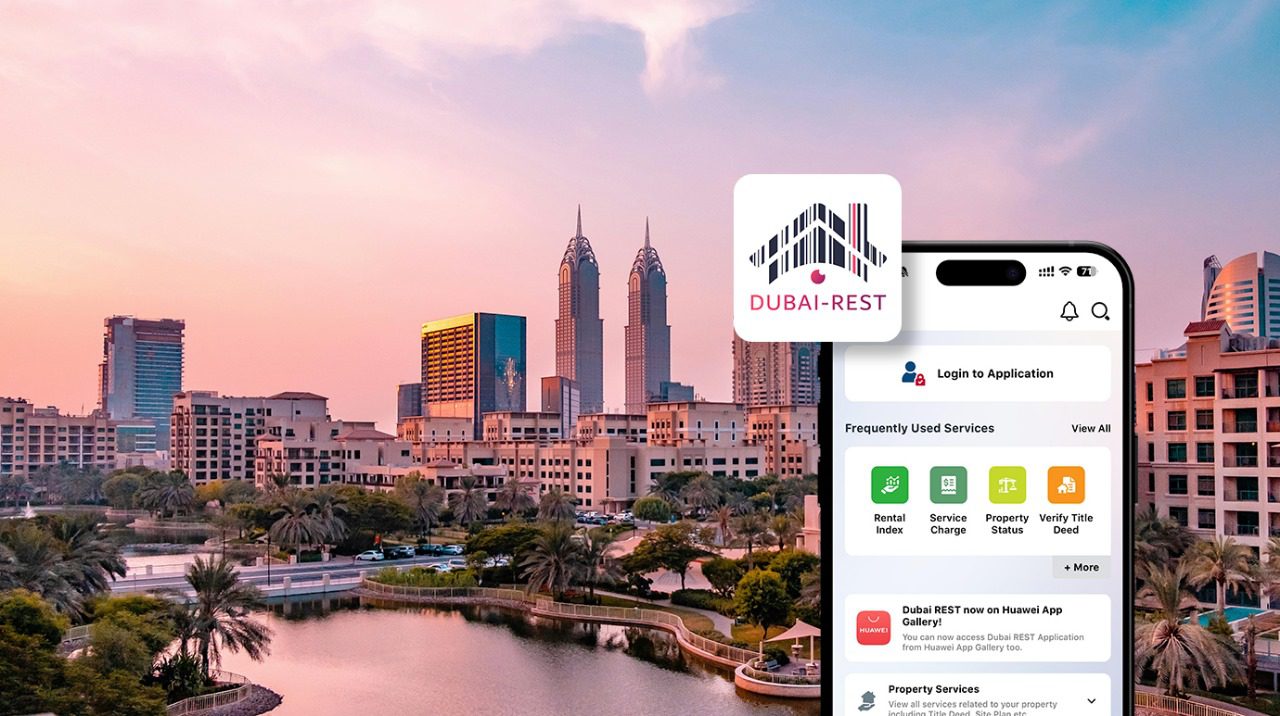
Under the Dubai Land Department (DLD), the Real Estate Regulatory Agency (RERA) sets rules regarding how the landlorsd can increase a tenant’s rent in Dubai.
The landlord cannot increase rent while there is an active contract between the landlord and the tenant.
The landlord can only review the rent every twelve months at the time of contract renewal.
The maximum allowable rent increase depends on how far the tenant’s current rent is from the market rate based on the Smart Rental Index (this is a measure of how much each apartment/unit in Dubai should rent for).
Here’s how rent can be increased in Dubai:
In order to have an increase in rent at the time of renewal, the landlord must notify the tenant of the new rent at least 90 days prior to the renewal date, or it is invalid.
Moreover, tenants may dispute and verify their landlord’s adjustment in rent using the Smart Rental Index and by going to the Rental Dispute Settlement Center.
In this comprehensive article, we break down Dubai rent increase rules in 2026, including:
Excited to know? Lets get straight into it.
RERA (the regulatory authority for Dubai Land Department) supervises rental properties in Dubai.
The major laws that cover rentals are as follows:
The purpose of these laws is:
RERA uses the established Official Rental Index (Rental Index) and Smart Rental Index systems to enforce these laws.
There can only be one rental increase by the landlord every 12 months and only at the time of contract renewal.
This means the following:
❌ No rent increase during an active fixed-term lease.
❌ No mid-term increase in rent.
✅ Only landlord may increase the rent at the time of renewal.
✅ The increase in rent must be subject to the limits contained in RERA’s Rental Index.
The laws are intended to protect tenants from unexpected increases in their rental payments during the term of their leases.
Whether a landlord can increase rent depends on how far your current rent is below the market average, according to RERA’s index.
| Gap from Market Average | Maximum Allowed Increase |
| Up to 10% below market rate | No increase |
| 11%–20% below | 5% increase |
| 21%–30% below | 10% increase |
| 31%–40% below | 15% increase |
| More than 40% below | 20% increase |
If your current rent is less than 10% below the average market rate, no increase is legally allowed.
Landlords cannot exceed these caps — even if market demand is high.
Recommended Read: Eviction and Vacating of Property in Dubai: Laws, Procedures, Notice Periods, and Market Realities
Dubai Land Department launched the Smart Rental Index, an AI-powered, data-driven property tool, as a replacement for its previous yearly calculator.
It uses:
The Smart Rental Index enables the determination of:
Both tenants and landlords can find the Smart Rental Index on: Dubai Land Department website and Dubai REST App
This promotes full transparency and limits random pricing.
Here’s a step-by-step guide on how to verify the legality of your proposed rent increase:
1) Go to the Dubai Land Department website or download the Dubai REST App.
2) Select “Inquiry about the Rental Index”.
3) Enter the following information:
– Property type (e.g., apartment, villa, etc.)
– Location
– Number of bedrooms
– Contract end date
– Current annual rent
4) Click the ‘calculate’ button.
Your response will indicate the following:
– Average market rent
– Whether you are entitled to an increase
– Maximum allowable rent increase
If your landlord proposes an increase that is above these numbers, you can legally challenge your landlord.
Under the rental increase laws in Dubai, a landlord is required to provide 90 days written notice to the tenant before the expiry or renewal of the rental contract, if he/she wishes to increase the rent.
Here are four acceptable methods for providing valid written notice:
If the landlord fails to provide the tenant with notice within the required 90 day period, the landlord is prohibited from increasing the rent on that rental contract for the upcoming term. This regulation applies to all changes made to the terms of the tenant’s contract; they are not only limited to rent increases.
No.
According to Law 26 of 2007 (which is amended), for the entire duration of a fixed-term lease contract (normally 12 months), the rent agreed to is legally binding.
Rent may only be adjusted during a lease renewal, and adjustment must conform to the Smart Rental Index.
Many landlords have good reasons for wanting to increase rent even though rent increases are regulated.
To bring rental amounts into line with current market rates; landlords want their rental amount to be aligned with current market values throughout Dubai, especially with the large increases in rental rates throughout the city over the past few years.
If a property is well-located, as examples: near Metro stations, business centers, schools, or beachfronts, landlords will often cite this as an example of justification for a rent increase.
Renovations or capital improvements completed on a rental unit may also allow landlords to increase rental amounts, as long as they comply with the RERA rules.
Expensive renovations, such as kitchen remodels, lounge remodels, addition of fitness or pool areas, etc., increase the property value, so the landlords increase the rents as well.
Landlords may also increase rent amounts to offset the rising costs of maintaining their rental properties due to increased service fees and operational costs, as well as increased inflation.
As a tenant renting in Dubai you have the right to:
Tenants have strong protections against unfair increases under Dubai law.
If you feel that the increase in your rent is illegal please take the following steps:
Step 1: Find out if the Smart Rental Index says the increase is over the maximum limit allowed by law.
Step 2: Talk to your landlord – open communication can usually resolve a problem.
Step 3: Sue your landlord at the RDSC – require the following items;
The RDSC will review the documents and make a legally binding decision.
Landlords are required on optimal properties to:
Failure to follow any of these requirements could result in other penalties and may deny the tenant’s claim to rent increase.
While a landlord is legally permitted to raise rent, tenants still have ability to negotiate their rent increase.
Tips to Help Negotiate:
Landlords would rather keep reliable tenants than run the risk of having their property sit vacant.
Looking to 2026:
Anytime there is a growing real estate market, there will also be rent increases Dubai is no exception to the rule.
However, Dubai has a legal framework that ensures that adjustments to rents are made fairly, transparently, and based on real data.
When renters have access to tools such as the Smart Rental Index and strong protections under Dubai Tenancy Laws, it gives them clarity and confidence when negotiating lease renewals.
Learning about rent increase laws in Dubai is not only useful; but it is also mandatory for making educated financial decisions in 2026 and after.
Here’s what we have discussed in this article,
Key Takeaways
For more information on investing in Dubai real estate, get in touch with our highly experienced professionals at TAQ Global Properties:
