
Blogs
What's New Trending
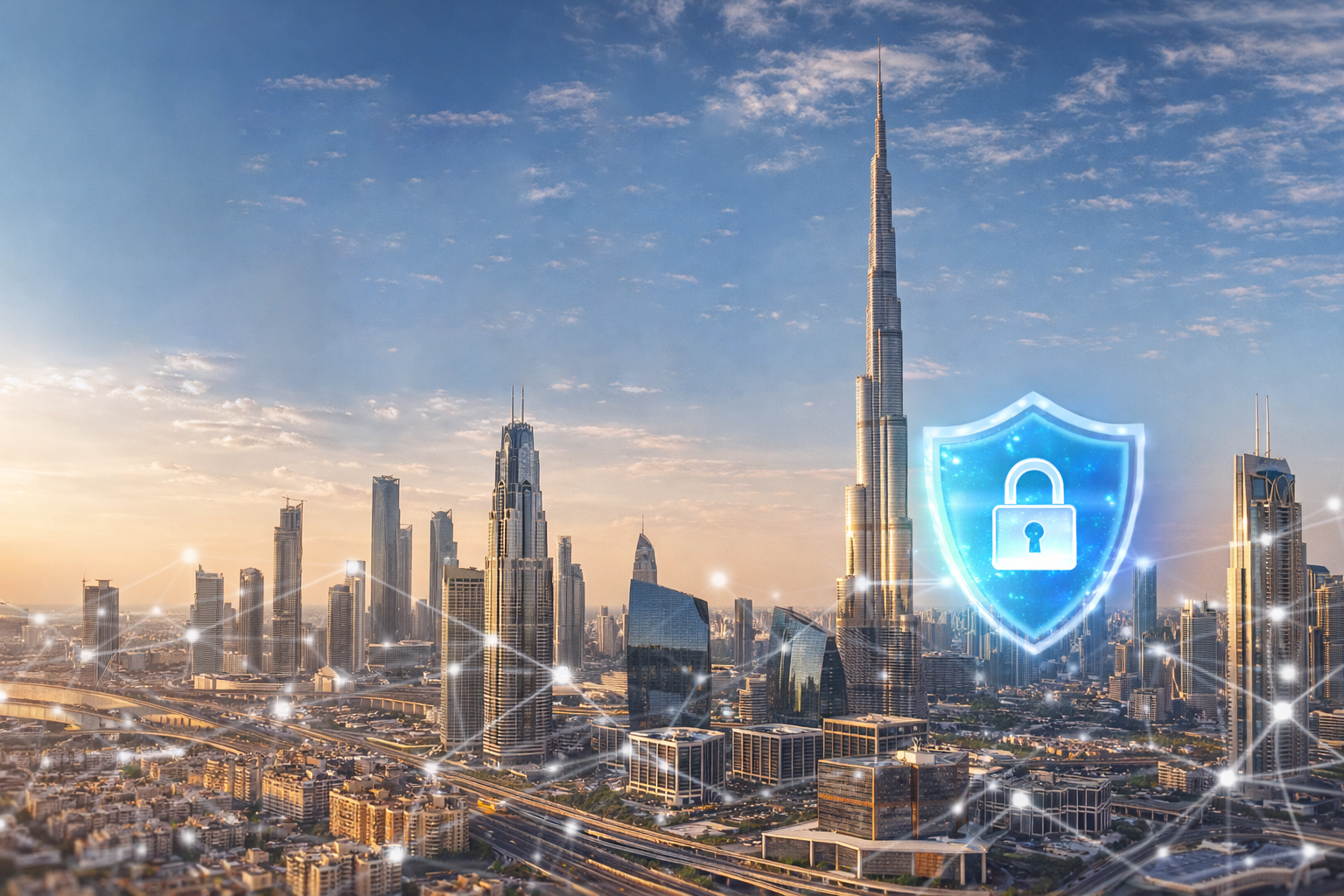
Investors across the Middle East have been impacted by the recent geopolitical uncertainty caused by the conflict between Israel and Iran.
This uncertainty has led to a lack of confidence from investors about their investments.
As geopolitical conflicts develop, many investors will look at their regional asset allocations and consider how geopolitical risks could affect their long-term investment strategies.
Moreover, investors looking for investment opportunities in Dubai are highly concerned if the industry will be impacted by the current geopolitical issues or if it will continue its historical pattern of growth followed by global economic shocks.
Hence, this article aims to provide deeper insights into the effect of the current geopolitical situation and its long-term impact on Dubai’s real estate market, based on historical context and our expert analysis.
This historical context will allow investors to make an informed assessment regarding the current state of affairs.
Intrigued? Let’s get straight into it.
Investor confidence has a very strong correlation to real estate markets.
When we see increased geopolitical tensions we tend to have an observable cautiousness amongst investors, as the conflict tends to have an effect on global trade, financial markets and energy prices.
Overall when we see an increase in geopolitical uncertainty there are three key parts of the investment market that will be affected immediately:
Dubai has been well positioned to benefit based on the above-mentioned third point.
As a result of having an international investor base and being a diversified investment market, Dubai has attracted capital from the overall international investment market during times of global uncertainty rather than losing any capital.
People investing in real estate have already been influenced negatively by the ongoing dispute between countries.
Some investors might wait to invest in property because they want to have more assurance about the political environment before making an investment.
This happens frequently when there is more political uncertainty which has increased since the 9/11 attacks.
While property and equity values fluctuate in the short term, real estate typically appreciates more slowly due to different market factors.
Demand for real estate is affected by three main drivers
Real estate continues to be a significant foundation for the economy of Dubai, due to the consistent growth in real estate transactions over the past several years, significantly more than AED 500 billion is transacted annually through the property sector.
Furthermore, the UAE’s real estate market has developed significantly since COVID-19, with increasing residential property values from 2022 through 2025 due to high levels of foreign investment and pro-foreign investor tax legislation.
Throughout the last two decades, the Dubai property market has faced a series of local and global issues yet has remained resilient and rebounded in each case.
Those who want to assess the current market conditions need to have an understanding of the Dubai property markets’ past and the previous cycles, especially with the current regional conflicts.
The start of the global financial crisis in 2008 brought a significant yet temporary decline to real estate in Dubai.
The global credit crunch disrupted years of speculative off-plan construction projects. Rapid construction and strong demand were halted.
Market impact:
Regain Control:
Due to COVID-19-related restrictions on international travel, imposed lockdowns on commercial and residential activities in countries around the world.
Due to the uncertainty about global economic conditions, Dubai’s property market experienced an overall suspension in activity.
According to Emirates NBD Research ,by early 2020 the market was impacted by an overall decline of 10%.
Both residential and luxury segments experienced decreases in price for a short period.
Investors did not return to real estate as quickly as in previous years, which resulted in lower than average total transaction volume for the first quarter of 2021 compared to historical averages.
By late 2020, demand began to rebound as Dubai opened its borders and offered larger numbers of visa and residency types to foreign residents.
According to Khaleej Times, prices for luxury real estate increased dramatically from 2021 to 2023 with prime areas increasing over 40% each year.
This increased volume led to a full recovery and one of the largest recoveries seen in modern Dubai.
A large number of foreign property buyers came to Dubai after COVID-19; this was due to Dubai’s way of life and key fundamentals, and so Dubai’s real estate & total sales set new records in 2025 with approximately $250 Billion (according to Khaleej Times).
Luxury and prime property prices rose sharply, thus solidifying Dubai as a safe place for foreign investments.
This market not only recovered from the negative effects of COVID-19, but grew quickly and attracted back both returning and new foreign investors.
In Dubai this year (2024), many regions have experienced serious flooding which raises concerns amongst investors regarding property market disruptions.
While flooding has impacted some areas, the effect on overall real estate markets was negligible as most developments/transactions have continued uninterrupted.
In fact, the resilience of the market was seen through quick and sustainable recovery.
According to Arab News, The number of property transactions was 38% higher than before, resulting from significant investor confidence and Dubai’s ongoing ability to provide stability within its market in light of severe weather events.
This rapid recovery exhibits the structural soundness of the Dubai real estate market and ongoing willingness of both local/international investors to seek safe investment opportunities.
The geopolitical changes that occurred in 2026 contributed to shifts in the market since many investors were cautiously optimistic about making purchases at certain times.
Consequently, many investors held back on making any purchases in the entire market and this contributed to fluctuations in the overall market experience.
Despite this period of uncertainty, high-net-worth individuals continued to purchase across both prime and luxury property sectors.
In general, history suggests that geopolitical shocks (even short-term) tend to have little impact on the long-term growth of the Dubai market.
As the Dubai real estate market benefits from well-established government regulations governing property purchases and leases, and extensive global connectivity for transactions, this market is highly anticipated to recover strongly in the near future.
| Event / Period | Timeframe | Impact | Recovery |
| Global Financial Crisis | 2008–2014 | Prices fell 40–60%, low activity | Rebounded by 2014, trust restored |
| COVID‑19 Pandemic | 2020–2021 | Activity paused, prices down 10% | Rapid recovery, luxury ↑40%+ |
| Post-Pandemic Boom | 2022–2025 | Foreign buyers surge, prices ↑ | Record sales $250B, strong growth |
| 2024 Floods | 2024 | Local disruptions | Quick recovery, transactions +38% |
| Regional Instability (Israel‑Iran) | 2026 | Short-term caution | High-net-worth investment continued |
Key Takeaways From Dubai’s Historical Market Cycles
Here are the key takeaways from the Dubai’s historical market cycle
The analysis of Dubai’s real estate performance over the last 18 years has shown that this market has not only been able to survive any crisis that it has experienced, but generally comes out of these situations stronger than prior to the crisis.
Thus, Dubai real estate is a durable and lucrative opportunity for long-term investors in property.
There exist numerous structural factors that have established a solid foundation on which the real property market of Dubai has shown remarkable strength over time.
1. The Influence of Global Investment Demand on Dubai’s Property Market
Despite the global nature of Dubai’s real estate market, many investors around the world make use of this market. Investment demand for properties in Dubai comes from many different regions of the world, including North America, Asia, Europe, Africa, and Russia.
This type of high degree of diversity from an investor perspective provides the Dubai property market with long-term stability, since many investors come from different regions that may experience economic or political hardship at different times.
2. Regulations Designed to Protect Investors in Dubai’s Real Estate Market
Dubai’s property market has seen significant growth due to the introduction of stringent regulations designed to protect investors since the 2008 financial and real estate crisis.
Introduced at that time were stronger types of regulatory measures, such as mandatory requirements for escrows; improved consistency with respect to property registration; and improved monitoring of property development projects.
These reforms provided a significant boost to the confidence of investors and provided a significant decrease in the types of properties purchased for speculating purposes.
3. Pro-Investor Tax Environment
Dubai also continues to be a desirable location for international investors due to its tax structure.
Unlike many of the world’s other real estate markets, Dubai has no annual property taxes, capital gains taxes on the sale of property, or inheritance taxes for real estate properties.
In addition to these factors, investors can expect high rent yields, which all contribute to the reputation of Dubai as one of the most attractive international real estate markets.
Over time, Dubai’s transition from a pure oil-based economy to a global center of excellence in tourism, finance and banking, international logistics, and technology has created a thriving global real estate market.
The introduction of foreign freehold property ownership in 2002, along with growing population numbers and an increase in the number of multinational businesses opening offices in Dubai, has fueled unprecedented levels of foreign investment.
These regulations transformed Dubai into one of the world’s top-ranked real estate markets.
Demand for housing continues to be strong as long-term population growth continues and additional multinational companies continue to enter the region and open locations in the region.
Although Dubai’s property sector is fundamentally sound in most respects, it could be affected by global tensions and instability in the short to medium term.
Possible short-term impacts include:
Additionally, analysts predict that moderate price corrections within Dubai’s real estate market will occur in future years due to an increase in total housing units being constructed.
However, an increase in supply does not mean a decline for that respective market. Increased supply could simply mean confidence in long-term demand and continuing population growth.
Both long-term and short-term investors react differently and perceive periods of uncertainty to varying degrees,when financial markets experience risk of decline.
Long-term investors will be able to find opportunities during uncertain market conditions in real estate due to the amount of new construction occurring in the marketplace that would provide the following benefits to long-term investors:
Historically speaking, long-term investors who have previously purchased properties in Dubai during periods of uncertainty (because of the economic downturn) have profited greatly from subsequent market recoveries.
For example, homes purchased following the 2008 economic crisis saw significant increases in value less than five years later, when market conditions improved during the early part of the decade.
This is a great example of how a majority of the best investment opportunities are presented to long-term investors during periods of negative market perception.
When analyzing the future of Dubai’s real estate amidst geopolitical uncertainty, investors should pay attention to the following key indicators:
Those are the ones that will end up determining whether the current geopolitical tensions will have just a temporary impact on the market or will result in longer-term results.
Dubai’s real estate market has changed significantly over time.
Even with market fluctuations from time to time, it has become one of the greatest real estate markets in the world, with top-notch amenities/housing/commercial buildings available to buyers and investors.
In the past 20 years, Dubai has become a major financial centre in the world due to its world-class facilities, robust global standards, and numerous international investors.
Looking back in history, the cyclical nature of property markets indicates that real estate prices will have the possibility of experiencing short-term declines due to global economic issues.
However, they also consistently have the capability to return to their previous, or higher, value levels.
Also, continued governmental investment in the real estate sector, economic diversification of the economy away from real estate, and demand from international buyers have contributed to this real estate market resiliency.
The geopolitical situation involving Israel, Iran and the U.S. has understandably made investors nervous about seeking out investment opportunities in Dubai.
The logical explanation for the decline in real estate activity during these times of political upheaval is that a cautious approach is simply the most prudent when faced with political uncertainty in the area.
However, based on the long and successful history of Dubai’s real estate market actually producing strong results after periods of global instability, including the global financial crisis and the COVID-19 pandemic, it would appear that the Dubai real estate market will continue to be a viable investment strategy for many years to come.
As such, when determining whether investing in real estate is a strategic investment option for the long term, investors need to take into account that there may be additional opportunities currently available in one of the most stable and resilient real estate markets in the world due to geopolitical instability.
For more information on investing in Dubai real estate, get in touch with our highly experienced professionals at TAQ Global Properties:
